Understanding today's AI is no longer enough, because a static picture ages fast: Stanford's 2026 AI Index and METR's historical seven-month doubling in agent task length show the pace. Written forecasts, like two books on AI's business impact and ten-year trajectory, can sharpen focus and reduce surprise. Imagination and conviction, disciplined by checking predictions, remain the human edge. The takeaway: estimate where AI will be in six months, one year and five years, then revisit.
Stanford's 2026 AI Index reports that performance on SWE-bench Verified, a software engineering benchmark, rose from about 60% to nearly 100% during 2025.
I think that pace changes what it means to understand AI. If you settle for understanding today, you are already falling behind. The only way to understand and keep up is to project what today will look like six months from now, and that is not an easy task. It is probably also the one thing we still have over AI: true imagination and conviction.
Today's picture expires quickly
A benchmark is not a job, but the trend matters more than any single score. In March 2025, the AI evaluator METR reported that the length of software tasks agents could complete with 50% success, measured by human completion time, had been doubling roughly every seven months.
METR is careful about extrapolating that trend, but if anything like it continues, the AI you studied six months ago is a poor guide for today's decisions.
Two forecasts I put in writing
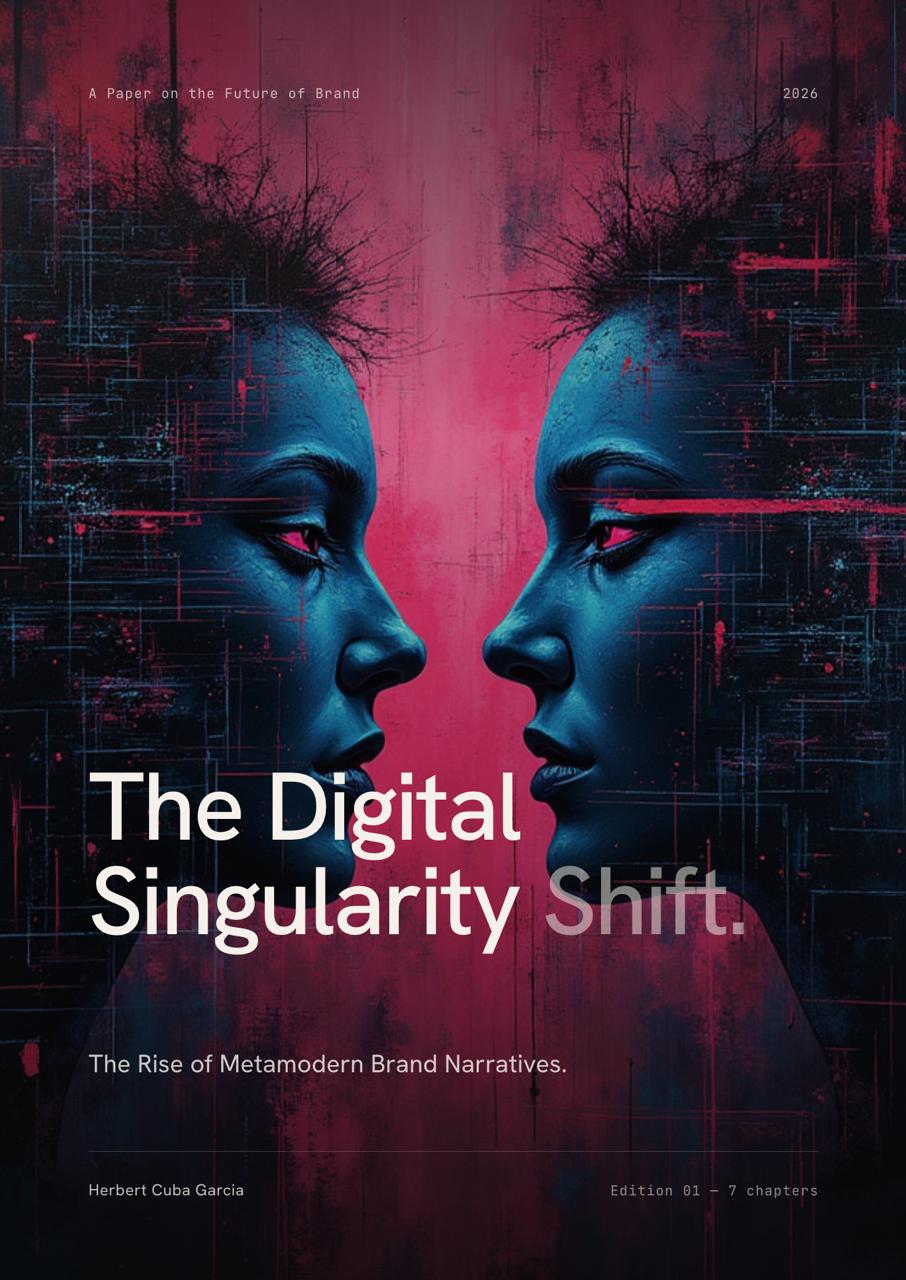
A year ago, I wrote The Digital Singularity Shift to understand how this disruption would reshape business. It argues that AI commoditizes functional differentiation, so companies compete on narrative and meaning.
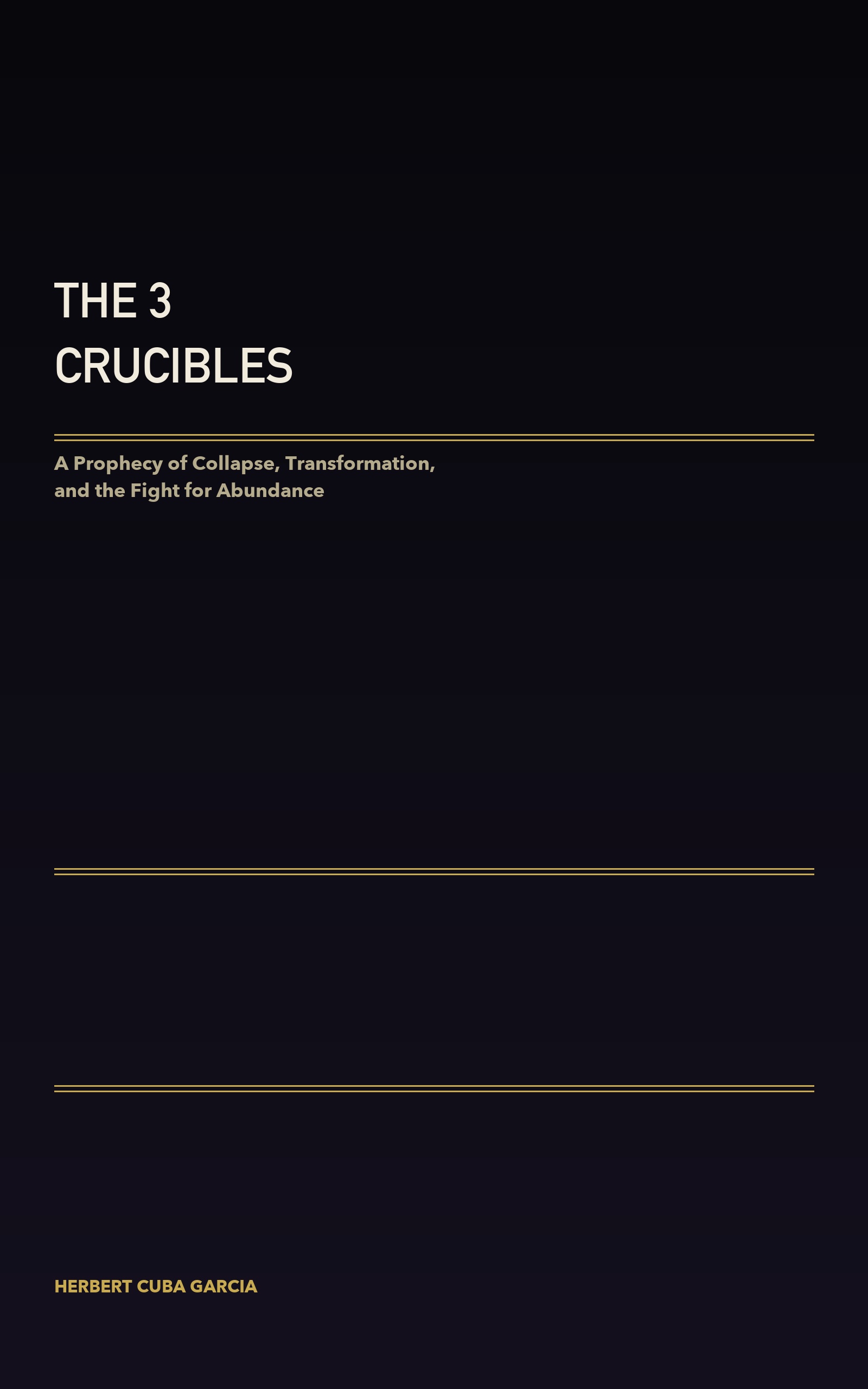
Nine months ago, I wrote The Three Crucibles to prophesy where AI is taking us over the next ten years, through economic correction, transformation and alignment.
I think both are, more or less, becoming true. Writing them kept me from being caught off guard, helped me stay focused and feel less anxious about the speed of change, and showed me where to place my bets and my clients'.
Imagination is the edge we still hold
In an online experiment, Anil Doshi and Oliver Hauser found that AI-generated ideas improved ratings of short stories, especially for less creative writers, but made the stories more alike. I read that as a pull toward the likely. AI can lift the average; picturing an unlikely future and committing to it is where I think we still lead.
Conviction does not mean refusing to update. In a two-year geopolitical forecasting tournament, Barbara Mellers and colleagues found that probability training, teamwork and tracking top forecasters improved calibration. Write your predictions down and check them.
In Terminator 2: Judgment Day (1991), Sarah Connor knows the date of the war Skynet will start: 29 August 1997. Everyone around her treats that forecast as madness, and she is locked in a psychiatric hospital. The forecast is also what gives her focus. She trains, stockpiles weapons and prepares her son while the rest of the world assumes nothing is coming.
The turning point comes when she carves "NO FATE" into a table. She treats the forecast as a reason to act early and goes after the research that would lead to Skynet, instead of waiting for the date to arrive.
My own forecasts are far more hopeful than hers, but the mechanism is the same: a clear picture of the future gives you the conviction to move before the evidence is complete.
Make your three bets
If you want to do yourself a favour, try to estimate where we will be in six months, one year and five years. Make the six-month estimate specific enough to check, and let the five-year view hold a few scenarios rather than one prediction.
Then revisit it. It will help you navigate the noise and focus your efforts.
AI will keep getting better at explaining today. Imagining tomorrow, and betting on it, is still our job.
Godspeed, everyone!