I argue that the tabletop game master is the ultimate systems thinker for the agentic era. Setting up agents resembles creating characters, rules and intent resemble designing a campaign, and orchestration resembles running live play. Research on multi-agent LLM failures shows capable agents can still fail together through design, misalignment and weak verification. A hypothetical report team shows the mechanisms, while people stay accountable for purpose and consequential choices.
When teams build with AI agents, most effort goes into the agents themselves: a sharper prompt, a stronger model, one more tool. I think success or failure lies elsewhere: in how the agents interact, what they share and who steps in when something goes wrong.
In my view, the tabletop role-playing game master is the ultimate systems thinker for the agentic era.
Strong agents can still fail as a team
In 2025, researchers annotated more than 1,600 execution traces from multi-agent LLM systems across seven frameworks. The failures clustered around system design, misalignment between agents and weak verification. Changing workflows and prompts, with the model held fixed, improved results.
That does not prove architecture always beats model quality, but it shows capable agents can fail together. A campaign with no coherent world or goal will not be rescued by making every character more powerful.
Characters, campaign and the flow of play
The Dungeons & Dragons rules separate players, who decide what to do, from their characters, who carry the abilities and limits. The Dungeon Master sets up situations and resolves consequences through rules and judgment.
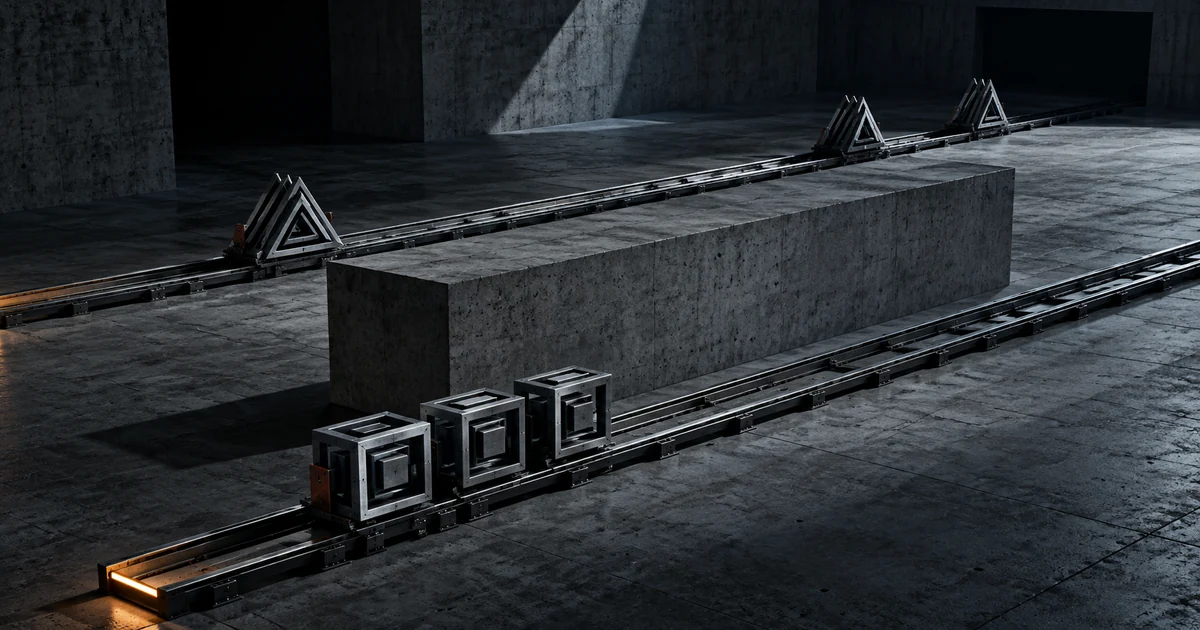
Setting up an agent is like creating a character. What counts is its capabilities, tools, information access and responsibilities, and how they complement the rest of the party.
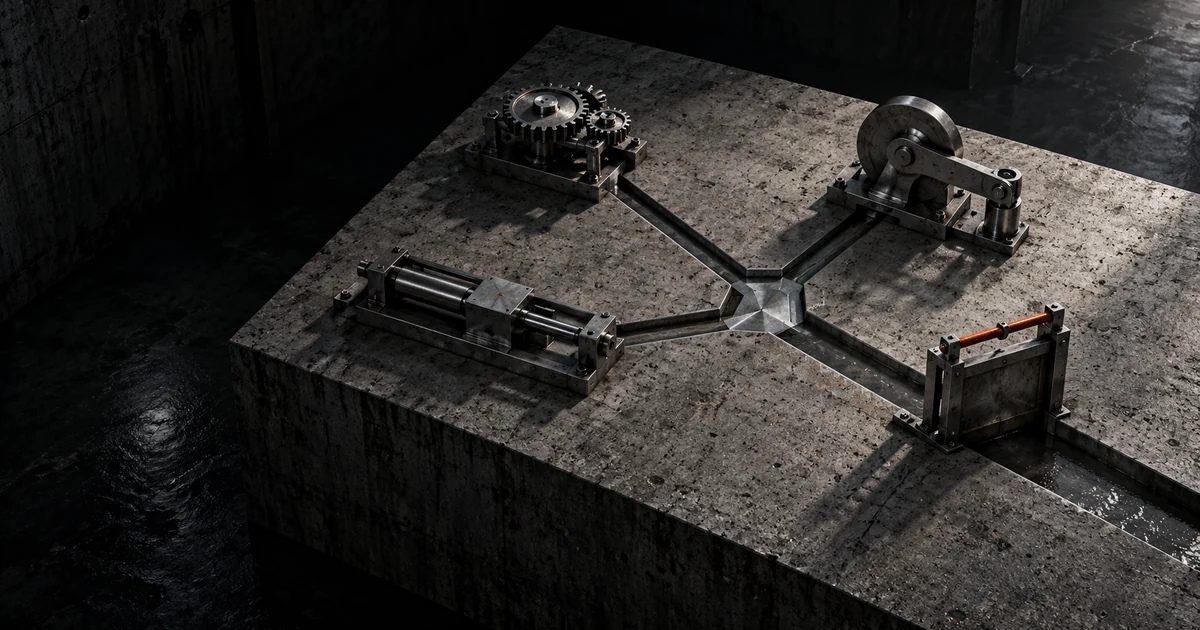
Writing rules and intent is campaign design: the world, the shared goal, the boundaries and what success looks like.
Running the game is orchestration. The game master describes a situation, the players choose and the result is ruled on. For agents, that means turns, handoffs, shared state and disagreements playing out live.
In Michael Crichton's 1973 film *Westworld*, a resort lets guests act out adventures with lifelike robots while technicians in a control room run and repair the action. Each robot is impressive on its own. The trouble is the system: a malfunction spreads from machine to machine, the operators cannot explain it, and when they finally cut the power they seal themselves inside the control room. To me, that is the opposite of a good game master. Powerful characters, feedback that arrives too late and humans who lose the ability to intervene add up to a story nobody can steer.
When new evidence hits a finished draft
Picture three agents producing a market report. The research agent finds a new figure that contradicts the writing agent's nearly finished draft. In a poorly designed system, the writer ignores it or the researcher overwrites the draft.
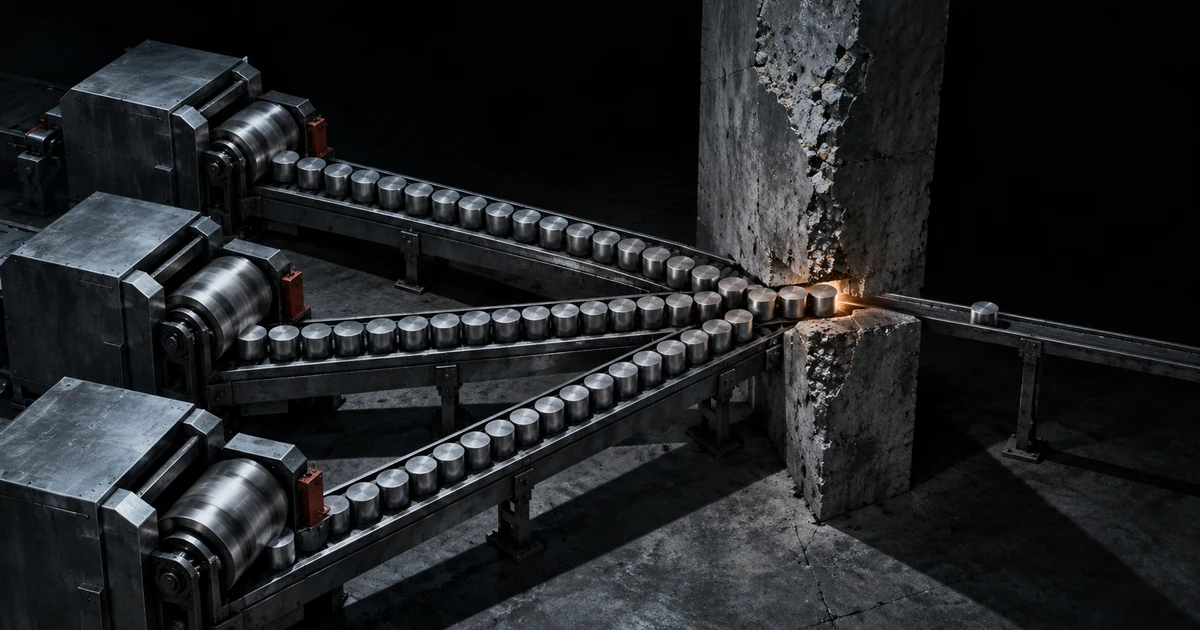
A game master would have prepared for that moment. The figure goes into a shared evidence record both agents read, a defined handoff sends the draft back for revision, and a separate checking agent compares claims against the record. A person then decides whether the changed conclusion goes out.
The people at the table keep the responsibility
The model choosing an agent's actions resembles a player, but it has no human motives. The real players are the people who set purpose, review work and own consequential choices. NIST's AI Risk Management Framework asks for documented responsibilities and ways to disengage systems that stray from their intended use. A good game master improvises within the rules without quietly rewriting them. Agents deserve the same discipline.
More agents are not automatically better. Anthropic's engineering guidance favors the simpler design when it suffices.
So before adding another agent, design the world it enters and the rules it plays by, then watch the game and step in when it matters. Be a game master in the agentic era.