A Head of Engineering posted something on LinkedIn that I opened wanting to challenge — and closed agreeing with. He wasn't hyping AI. He was worried about it.
His point, roughly: AI agents are pushing the idea that everything we built over twenty years to develop software iteratively — Agile, Scrum, Continuous Delivery, the whole apparatus — is now useless, because the agent writes the code. He'd read countless posts making exactly that claim. And he doubted the people writing them had ever shipped a real product, because building something large and complex takes sustained interaction between people across disciplines, not just fast output from one.
I agree with him. And I think the people declaring Agile dead are making the same mistake every generation makes when a new tool arrives: they mistake the disappearance of one bottleneck for the disappearance of the problem.
The Oldest Mistake There Is
A new tool removes one visible constraint, someone declares the whole discipline obsolete, and they're wrong for the same reason every time — the constraint moved, it didn't vanish.
It happens every cycle. Spreadsheets were going to kill the finance function. CMS platforms were going to kill web teams. Every time a tool collapses the hardest visible step, someone announces that the discipline built around that step is now dead weight.
They're always half right, which is what makes it convincing. The step really did get cheap. Generation really did get faster — an agent can produce a working feature branch in minutes that used to take a senior engineer a day. That part isn't hype.
The mistake is assuming that because the hardest visible step got cheap, the whole problem got cheap. Complex work has never worked that way. Remove one bottleneck and you don't get a solved problem — you get a clear view of the next bottleneck, which was always there, hiding behind the first one.
What Agile Was Actually For
Agile was never a way to write code faster — it was a way to coordinate people discovering the right thing to build, and agents don't touch that need.
Most of the "Agile is dead" commentary misreads what Agile was solving. It was never a method for writing code faster — any competent engineer could do that. Agile existed to manage something harder: nobody knows exactly what the right thing to build is until they see it built, used, and reacted to. Sprints, standups, retros were coordination mechanisms for humans discovering the right shape of a product together, under uncertainty, across roles that don't naturally speak the same language.
Product doesn't think like engineering. Design doesn't think like ops. Legal doesn't think like anyone. Agile was the connective tissue that let those ways of seeing collide productively instead of destructively. None of that need disappeared because an agent can generate a pull request. If anything it sharpened, because the question stopped being "can we build this" and became "are we building the right thing, and does it fit with everything else."
AI didn't remove the need for discipline. It removed the excuse to skip it — because now the only thing between an idea and a shipped product is the quality of your judgment.
The Bottleneck Just Moved
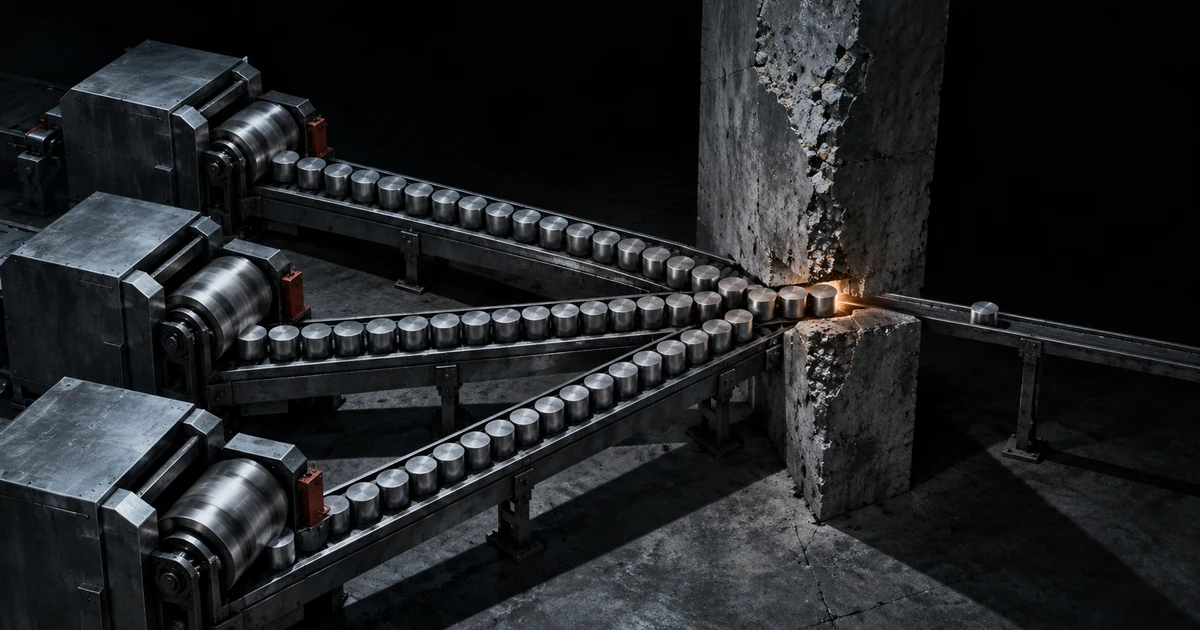
Generation scaled 10x; review and integration didn't — so the constraint relocated from writing to deciding, and almost no one has built discipline around the new spot.
Here's the mechanism, concretely. In software right now, generation scaled by 10x or more. Review didn't. Integration didn't. The judgment call about whether a feature belongs in the product, whether it's secure, whether it fits an architecture three teams depend on — none of that scaled at all. It's still bounded by human attention, trust, and accountability.
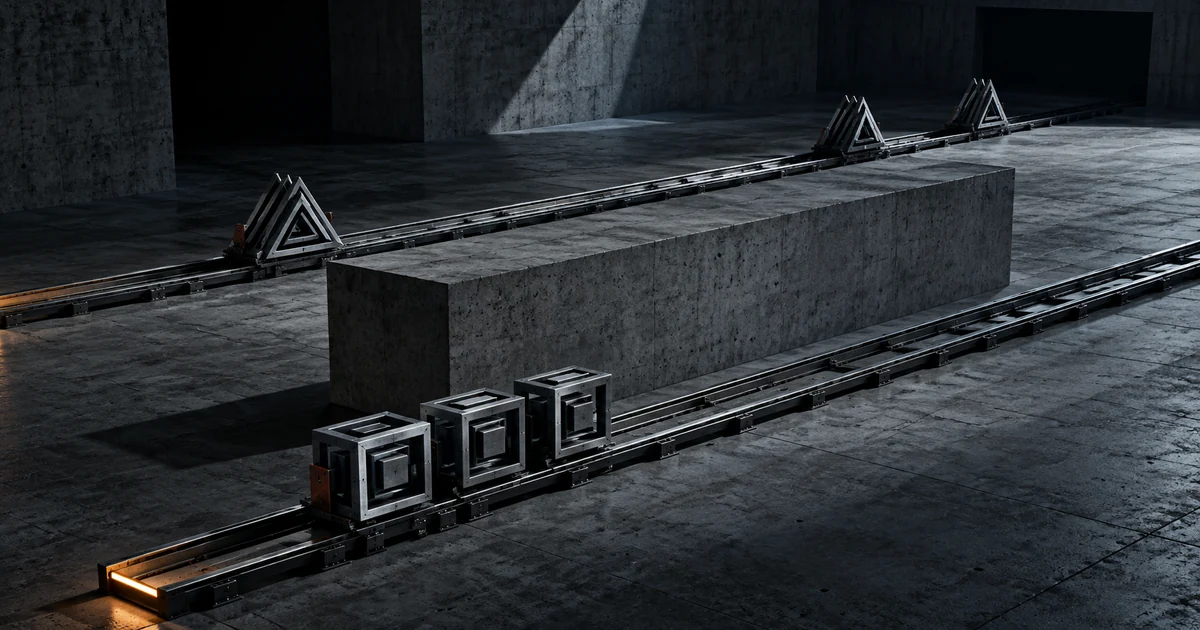
fig. — the bottleneck relocated, it didn't disappear
So the constraint moved from "can we build this fast enough" to "can we decide what to build, sequence it, and integrate it without breaking everything else." That's a harder skill, and most teams haven't built any discipline around it, because the old constraint used to do the job for them. The failure mode isn't hypothetical: three agents produce three technically-correct-but-mutually-incompatible answers, and nobody owns the reconciliation — so the team generates faster and ships slower.
That's why I keep saying AI is an operating-model shift, not a tool story. It doesn't just change output. It changes how work is organized. And the same pattern is running through every function I've watched adopt AI seriously — finance, legal, marketing, ops. Generation gets cheap, someone declares the old review-and-signoff discipline obsolete, and they're wrong for the same reason the "Agile is dead" crowd is wrong. The discipline was never about the artifact. It was about the judgment that decides whether the artifact is right, safe, and coherent with everything around it.
The Discipline Didn't Die
The bottleneck disappeared; the problem didn't — getting people who see the world differently to agree on what deserves to be built is the only problem left.
The Head of Engineering who wrote that post isn't wrong to worry. I think he's early. The problem was never "can we write the code fast enough." It was always "can a group of people who see the world differently agree on what to build, in what order, and hold each other accountable for whether it's right." AI didn't solve that problem. It made it the only problem left.
Agile isn't dying. It's growing up — from a discipline for coordinating people who write code into one for coordinating people who decide what deserves to be built at all.
If you want a place to start, start with ownership. Pick the two or three highest-stakes things your AI now touches — the customer-facing answer, the contract clause, the code three teams depend on — and put a single named person on the hook for what ships from each. Not "the AI team." A name. When execution is cheap, the decision to execute is the only expensive thing left, and expensive things need an owner. Everything else — the review cadence, what you measure — gets easier to build once someone is accountable for the outcome. That's where the real work lives now.