Generative AI is lowering the practical barriers between creative taste and finished work, and the forecast is that creation will expand sharply as a result. A personal AI-assisted blues, rock and pop project anchors the case. Research shows real execution gains alongside a genuine sameness risk, so human intention, selection and taste still decide quality. The takeaway is to act on a long-held creative wish rather than only consume.
Say what you want about AI slop. I think creation is about to explode, because AI lets people take the tastes, ideas and creative wishes they have carried for years and finally bring them into existence.
That is my forecast, not a measured fact. It starts with something I did myself.
The artist I always wanted
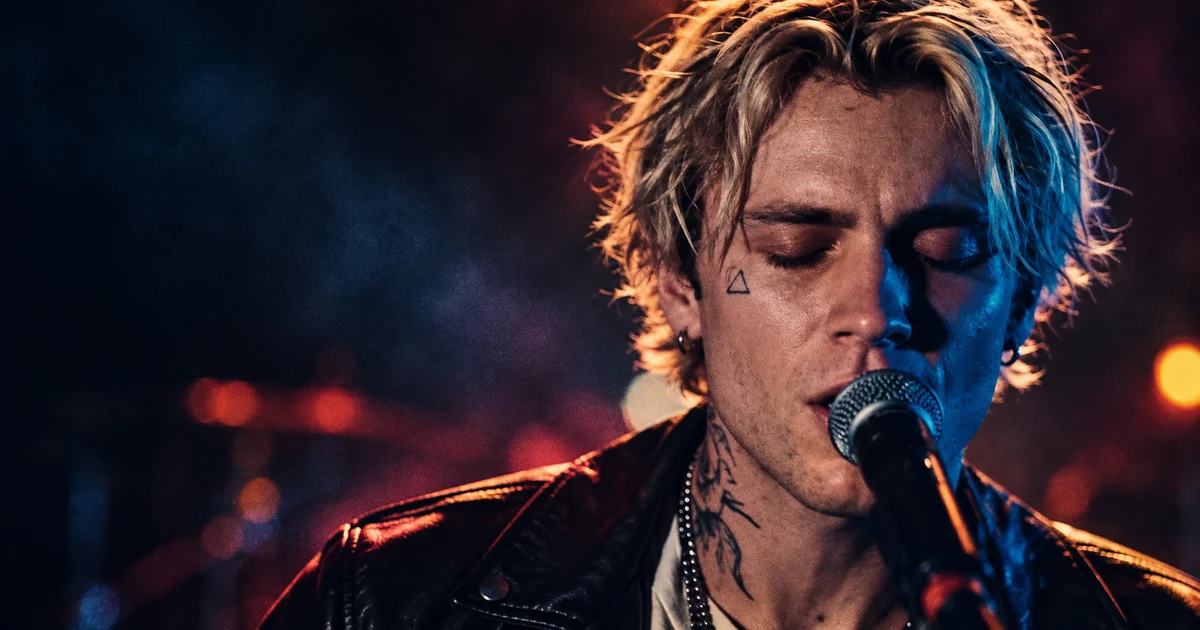
For a long time I wanted an artist who made blues more accessible to my taste by fusing it with rock and pop. Musicians have blended those sounds before. I wanted a version tuned to me, and I had no practical way to make it.
With AI, I made that artist myself. The result is Back to Blue by Jo$h Blue, and I listen to it quite a lot. Whether anyone else plays it is a separate question. Music I wanted now exists, and I enjoy it.
That is the move I care about, from listener to participant.
Taste was never the missing piece
Plenty of people carry a wish like mine: a story they want to read, or a world they can picture but cannot draw. The taste and intent are there. What has been missing is the practical means.
In a 2023 MIT working paper, Shakked Noy and Whitney Zhang gave 444 professionals randomized access to ChatGPT for writing tasks. Those with access finished faster with better assessed quality, and the weaker performers gained the most. Their effort shifted from rough drafting toward ideas and editing. That was office writing, not music, but the mechanism carries over: when execution gets easier, more of the work becomes deciding what you want.
In Inception, Ariadne enters a shared dream for the first time and discovers she can bend Paris. She folds an entire street up over her own head. The dream removed the physical limits, and her imagination decided what to build.
Then Cobb gives her the rule that matters: never recreate places from memory, always imagine new ones. That is how I see AI-assisted creation. The machinery makes almost anything buildable, and the risk is that we all rebuild the same familiar street. The worlds worth visiting still come from someone's own taste and intent.
The slop critics have a point
More output does not mean better output. In a 2024 Science Advances study, Anil Doshi and Oliver Hauser found that AI story ideas made stories rate as more creative and enjoyable, especially for less creative writers. However, the assisted stories also grew more alike. Eric Zhou and Dokyun Lee, studying over four million artworks from more than 50,000 users, found that after adopting AI, artists produced more and earned more favorites per view, while average novelty fell.
Abundance can flatten things, and I take that seriously. Zhou and Lee point to ideation and filtering as the skills that matter, and I agree. Human intention, selection and taste still decide what is worth keeping. AI does not remove that work - you still have to know what you want and recognize it when you hear it.
Make the thing you have been missing
Personal meaning counts. A song nobody else streams can still be the one you play most, because it is exactly yours.
So pick the creative wish you have been carrying around, the album or the comic you keep imagining, and start making it.
The possibilities are almost endless. Reach out and grab them!