Why SaaS Isn't Dead, But Its Business Model Is
AI agents are creating a new abstraction layer that commoditizes SaaS software, shifting from per-seat to usage-based pricing models. The winners aren't fighting the agent layer — they're designing for it.

I've been building software since 2005. That's twenty-one years of watching paradigm shifts come and go — some real, some hype, most somewhere in between. Web 2.0. Mobile-first. Cloud-native. Microservices. Each wave reshaped how we build and ship software. But what's happening right now with AI and SaaS? This one feels different.
Not apocalyptic different. But structurally different.
The Numbers That Got My Attention
Here's what made me pause: Figma, HubSpot, Duolingo — household names in the SaaS world — are down 65% or more from their peaks. The SaaS industry has shed over $300 billion in market cap. Three hundred billion. That's not a correction. That's the market telling us something fundamental has changed.
My take? Investors aren't betting against these products. They're betting against their business models.
The Abstraction Layer Problem
In my experience, the most disruptive technologies don't compete with existing products directly. They create a new layer that sits on top of them — making the underlying product less visible, less differentiated, and ultimately less valuable.
That's exactly what AI agents are doing to SaaS.
Think about MCP (Model Context Protocol), A2A (Agent-to-Agent), and the emerging "skills" ecosystem. These aren't just buzzwords. They're building blocks for a future where AI agents interact with your SaaS tools on your behalf. You stop caring which CRM you're using because you're not using it — your agent is. You stop caring about Figma's interface because you're describing what you want, and an agent is pushing the pixels.
When users stop interacting directly with software, brand loyalty evaporates. Features become commodities. And per-seat licensing? It starts looking absurd.
The Real Issue: Commoditization at Scale
I think the SaaS panic isn't really about AI replacing software. It's about AI commoditizing it.
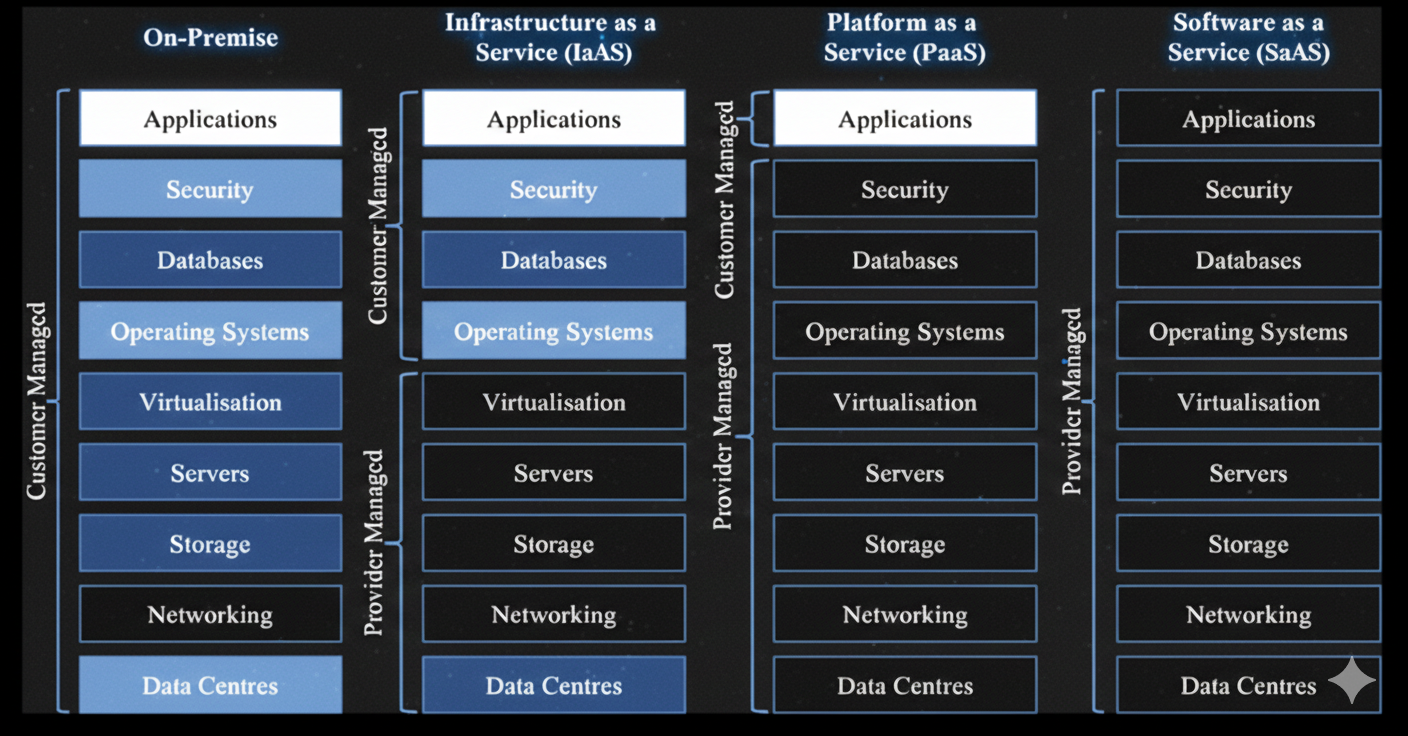
Here's a pattern I've seen play out before: the moment something becomes a standardized interface that agents can work with, competition shifts from product experience to price and API reliability. We saw this with cloud infrastructure. AWS didn't kill servers — it made them invisible. You stopped caring about the hardware because you never touched it.
Now imagine that happening to every SaaS tool in your stack.
The per-seat model worked because humans were the bottleneck. You paid for Slack seats because humans needed Slack. You paid for Salesforce licenses because sales reps needed Salesforce. But if an AI agent can manage your CRM, draft your messages, and update your project boards — how many seats do you actually need?
This is why usage-based pricing is becoming the new default. It's not a trend. It's survival adaptation.
What SaaS Companies Are Doing About It
Credit where it's due: the smart SaaS companies aren't sitting idle. They're building their own agents.
Salesforce has Einstein. HubSpot is investing heavily in AI assistants. Notion has AI baked into everything. The strategy is clear: if agents are the new interface, own the agent. Keep users inside your ecosystem by making your agent the most useful one for your domain.
It's a defensive play, and I think it'll work — for some. The question is whether these embedded agents will be good enough to compete with general-purpose agents that can orchestrate across all your tools.
In my experience, horizontal usually beats vertical over time. The agent that can work across your entire stack will probably win against a dozen specialized ones that can't talk to each other.
Where the Money Is Going
The investment thesis has already shifted. Traditional SaaS is getting harder to fund at growth multiples. Meanwhile, agent-native startups are attracting serious capital.
I don't think this means SaaS is dying. I think it means the default assumption about software businesses has changed. Investors used to ask: "What's your net revenue retention?" Now they're asking: "What happens when agents intermediate your users?"
If you can't answer that question, good luck raising your Series B.
My Practical Take (From the Trenches)
At Umain, we're in the middle of this. We build products for clients across industries, and I'm seeing the same pattern everywhere: the companies winning right now aren't fighting the agent layer — they're designing for it.
Here's what I'm telling my teams:
Build for interoperability first. If your software can't be controlled by an agent, you're building a dead end. Invest in clean APIs, standardized protocols, and machine-readable interfaces. This isn't optional anymore.
Rethink your value proposition. If an agent can do 80% of what your UI does, your remaining 20% better be really good. Focus on the judgment calls, the creative work, the things that still require human taste and context.
Watch your pricing model. Per-seat is becoming a liability. If you're charging per user but your users are increasingly agents, you're either going to have weird pricing conversations or you're going to lose deals.
Don't panic, but do plan. This transition won't happen overnight. Most enterprises move slowly, and agents still have reliability issues in production. But the direction is clear. Start experimenting now so you're not scrambling in three years.
The Bottom Line
SaaS isn't dead. Software still needs to exist. Someone still needs to build the tools that agents orchestrate. But the relationship between users and software is changing, and that changes everything about how we monetize, market, and build.
I think we're entering an era where software becomes more like infrastructure — essential, invisible, and priced on consumption rather than access. That's not a tragedy. It's just a different game.
And if twenty-one years in this industry have taught me anything, it's that the game always changes. The winners are the ones who notice early and adapt fast.
We're noticing. Now it's time to adapt.
Herbert Cuba García is Tech Director at Umain, where he's been helping companies navigate technology shifts for over two decades. He writes about practical technology leadership at herbertcuba.com.